
A Practical Standard for Modern Studios
In professional piercing, sterilization is not a selling point.
It is a baseline requirement.
For years, the standard workflow was clear: clean the jewelry, package it, run the autoclave, wait, cool, store, and track.
It works — but it is time-consuming, equipment-dependent, and vulnerable to human error.
That is why more studios are adopting pre-sterilized, individually sealed piercing jewelry — not as a trend, but as an operational improvement.
What “Pre-Sterilized” Actually Means
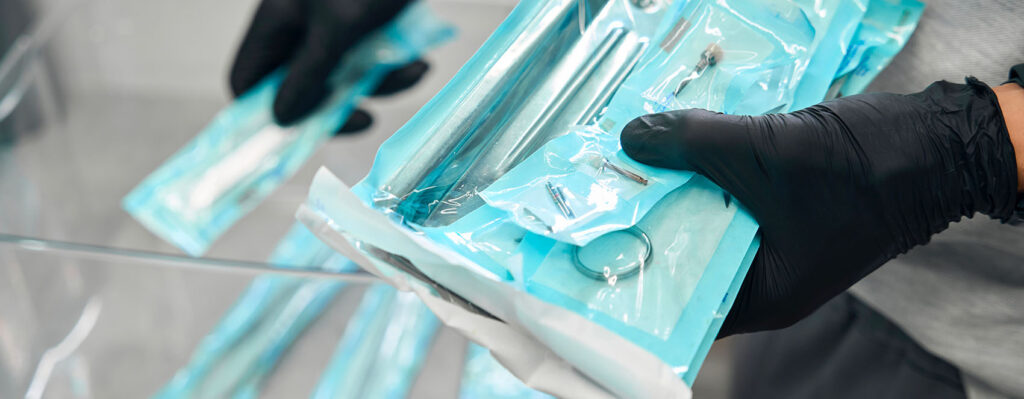
Pre-sterilized jewelry is processed under controlled industrial conditions, sterilized, and sealed at the manufacturing stage.
The jewelry arrives ready for insertion, with no additional preparation required.
As long as the package remains intact, the piece remains sterile.
Once the package is opened, it must be used immediately or re-sterilized, just like any other sterile item in the studio.
Why Studios Are Adopting Pre-Sterilized Jewelry
This shift is driven by workflow efficiency, not convenience.
Predictable Sterility
Industrial sterilization is consistent and traceable.
Each unit is sealed individually and marked with clear batch information, removing daily dependence on in-studio equipment performance or handling.
Time Efficiency
There is no cleaning cycle, no autoclave queue, and no waiting period between clients.
When a walk-in arrives, the procedure can begin immediately.
Reduced Equipment Load
Fewer autoclave cycles reduce wear on seals, chambers, and internal components.
Maintenance intervals are extended, and downtime is reduced.
The autoclave remains dedicated to tools rather than jewelry.
Clear Client Communication
Opening a sterile package in front of the client is simple and visible.
It communicates professionalism without additional explanation or steps.
Studio Sterilization vs. Pre-Sterilized Jewelry
Studio sterilization remains valid and necessary in many situations.
However, for daily insertion jewelry, pre-sterilized options reduce preparation time, minimize failure points, and streamline the workflow.
This is not a replacement of professional standards — it is a refinement of them.
Materials Suitable for Pre-Sterilization
Not all materials are appropriate for long-term sterile packaging.
Materials that perform reliably include implant-grade titanium (ASTM F-136 or F-67), medical-grade stainless steel (ASTM F-138), and solid gold at 14K or higher.
Materials such as acrylic, plated metals, organic materials, and heat-sensitive plastics are not suitable for pre-sterilized use.
If a material cannot consistently withstand steam sterilization and sealed storage, it should not be used in a pre-sterilized format.
Do Studios Still Need an Autoclave?
Yes.
Pre-sterilized jewelry reduces autoclave usage, but it does not eliminate the need for one.
Autoclaves are still required for tools, reused jewelry, size changes after insertion, and backup scenarios.
Most professional studios adopt a hybrid approach, using pre-sterilized jewelry for the majority of insertions while retaining in-house sterilization for special cases.
This approach balances efficiency with flexibility.
Where Lumipierce Fits In
Lumipierce designs its catalog specifically for this working model.
All pieces are made from implant-grade titanium, individually sealed, insertion-ready, and produced with consistent sizing, threading, and finishing.
The focus is not on adapting fashion jewelry, but on delivering reliable tools for real studio conditions.
Final Takeaway
Pre-sterilized piercing jewelry is not a shortcut.
It is the removal of unnecessary steps.
Studios that use it correctly benefit from faster procedures, fewer operational risks, cleaner workflows, and stronger client confidence.
Used properly, pre-sterilized jewelry does not lower professional standards — it reinforces them.